A real rescue · Bangalore
Tiger's story.
One street dog. A wound near the neck. Two hospitals, twenty-one days of recovery, and a foster phase that changed everything. Told plainly, because rescue rarely feels cinematic when you're inside it.
- 01
Discovery
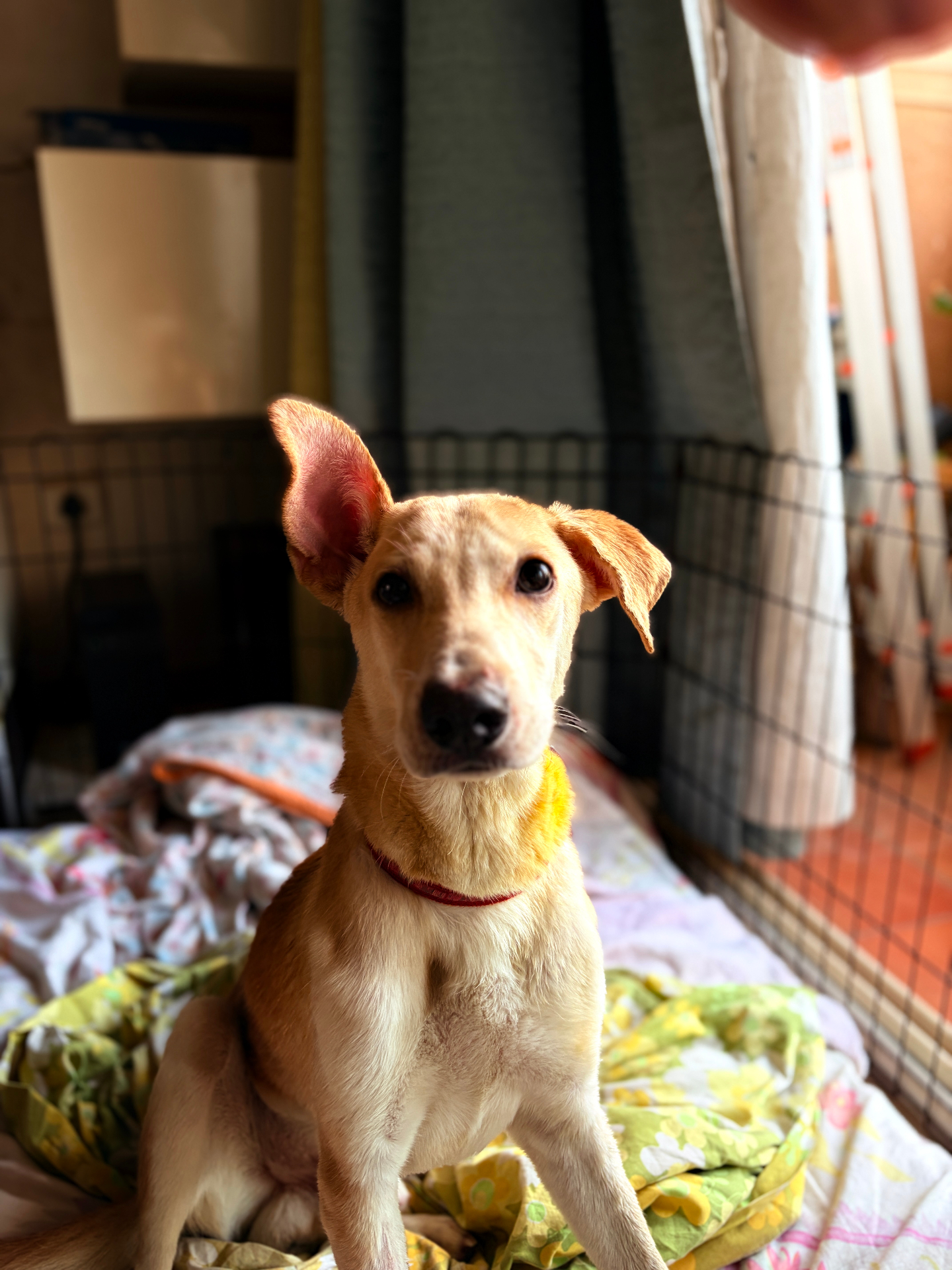
We first spotted Tiger on the walk back from our usual café. He was moving strangely — at first we thought it might be neurological. It was only when we got closer that we saw the deep wound near his neck.
- 02
Emergency hospitalization
Papa's Lifeline, Banaswadi · 24-hour emergency vet & ambulance
He was admitted straight into emergency care. Wound cleaning, IV fluids, stabilisation. Those first few hours were the most critical — the kind of care most people don't know how to access in time.
- 03
Financial reality & transfer
Shifted to Hope Trauma Center
Emergency hospital bills add up fast. We had to make a hard call and move him to a trauma centre we could sustain longer. This is the part of rescue nobody talks about — the stress, the costs, the constant decisions.
- 04
Recovery — about 21 days
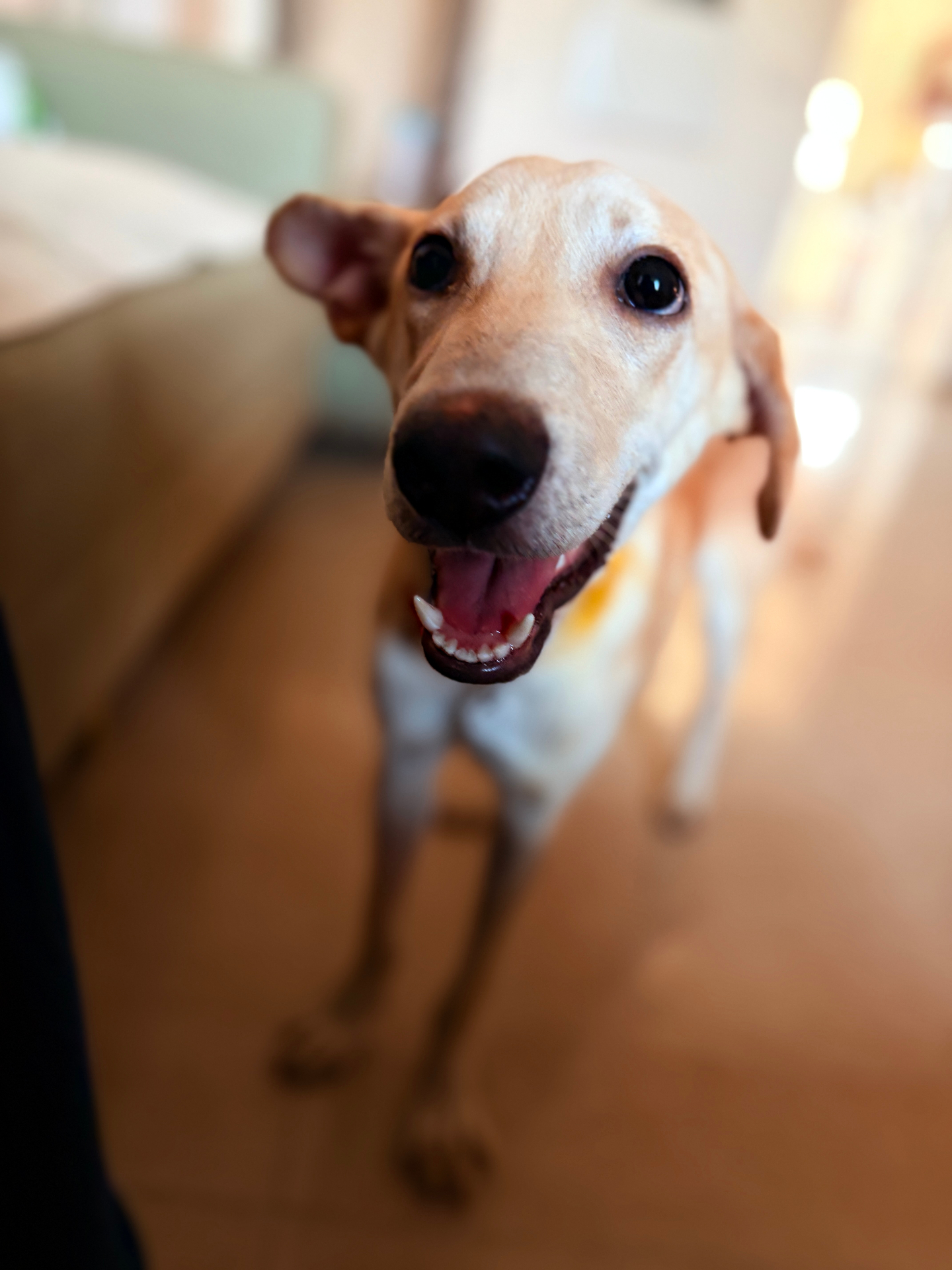
Tick fever treatment, wound healing, slow weight gain. Somewhere in those three weeks, the fear in his eyes started to ease. The first signs of his personality came through.
- 05
Attempted release
Once he was stable, we tried releasing him back on the street. It was clear within minutes — he wasn't going to survive or adapt out there anymore. We brought him back the same day.
- 06
Foster phase — about 2.5 weeks at home
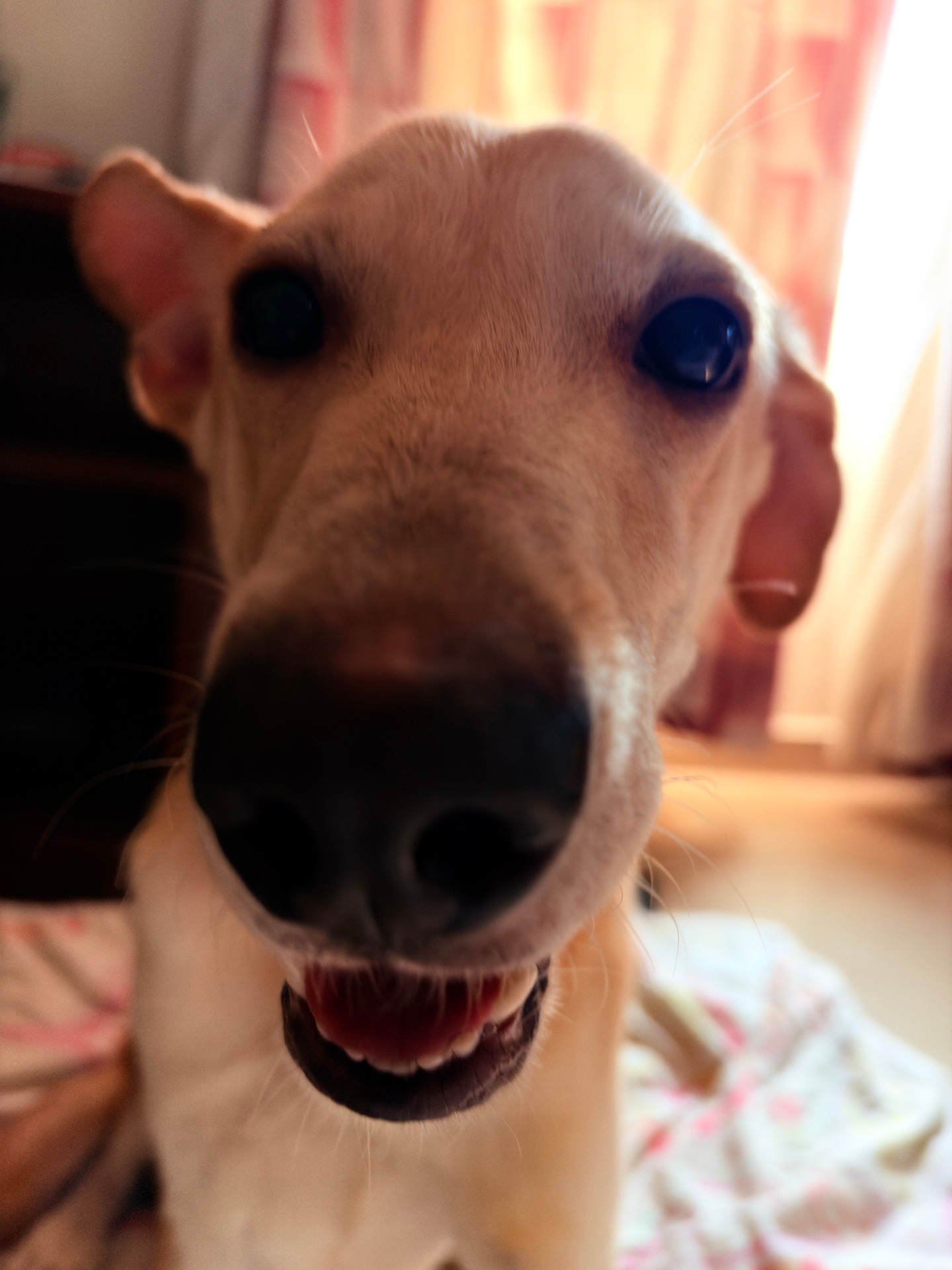
He stayed at Siddhant's place. Slowly he learned that humans weren't a threat. He started playing, sleeping deep, picking favourite corners. That's when the rescue stopped being a project and became personal.
- 07
The bigger realisation
Through every step, the same thing kept happening — friends, neighbours, strangers asking, 'I want to help a dog like this, but I have no idea where to start.' That question is why this playbook exists.
Tiger, today
Safe, settled, and very much himself.
Real footage. No staging.
This playbook exists because rescue shouldn't feel impossible for ordinary people.
Open the rescue guide